The real cost isn't the tools — it's your time stitching them together
Google Forms, a Razorpay payment link, a spreadsheet, and a WhatsApp group cost nothing (or close to it) individually — which is exactly why this is such a common starting setup. The real cost shows up later, in the hours spent manually connecting things that were never designed to talk to each other.
Registration and payment
A form and a payment link are two separate systems with no built-in connection between them. Someone can fill out the form without paying, pay without filling out the form, or pay twice by accident — and there's no automatic way to know which happened without manually cross-referencing the form responses against the payment gateway's records. An all-in-one platform ties registration and payment into a single flow: a completed registration is, by definition, a paid one.
Reconciling who actually paid
This is the step that eats the most invisible time: manually matching names from a spreadsheet of form responses against a list of payments from a gateway dashboard, usually the week before the event when there's also a dozen other things to handle. It's also where mistakes creep in — duplicate entries, mismatched spellings, a payment that came in under a different name than the form response. A connected system never needs this step because there's only ever one record per transaction to begin with.
Day-of check-in
Checking people in off a spreadsheet — searching a name, manually marking a column — is slow at any real scale, and it's usually the moment where the accumulated small reconciliation errors from earlier finally surface, at the worst possible time: a queue of people waiting to get in. QR-based check-in against a system that already knows who's legitimately registered avoids this entirely.
Reminders and updates
A WhatsApp group works until it doesn't — messages get buried, people mute the group, and there's no reliable way to confirm a critical update (a venue change, a time shift) actually reached everyone. Automatic confirmation and reminder emails tied directly to each attendee's registration reach people through a channel they're more likely to actually check for event-specific information.
When the DIY stack is genuinely fine
For a very small, free, low-stakes gathering — a dozen people, no payment involved, no real entry management needed — a form and a WhatsApp group is entirely reasonable, and switching tools for its own sake isn't worth the effort. The DIY stack starts costing real time specifically once payment, meaningful headcount, or actual door management enters the picture.
The actual tradeoff
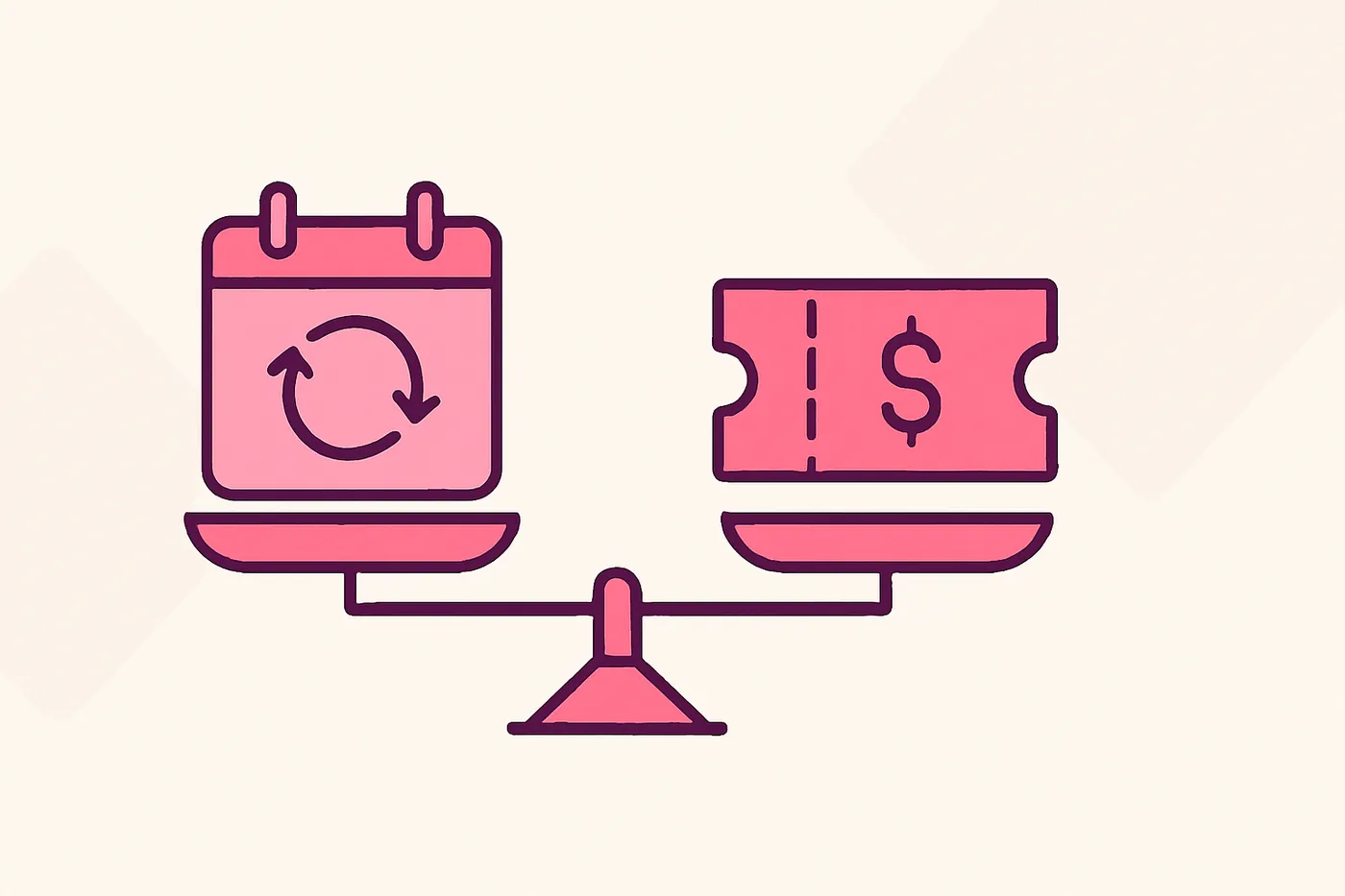
The DIY stack has a lower sticker price and a real time cost that scales with attendee count. An all-in-one platform has a stated cost upfront and close to zero manual reconciliation work regardless of how many people register. The right choice depends on which one you're actually trying to conserve — money at small scale, or your own time once an event gets past a size where manual reconciliation is realistic.
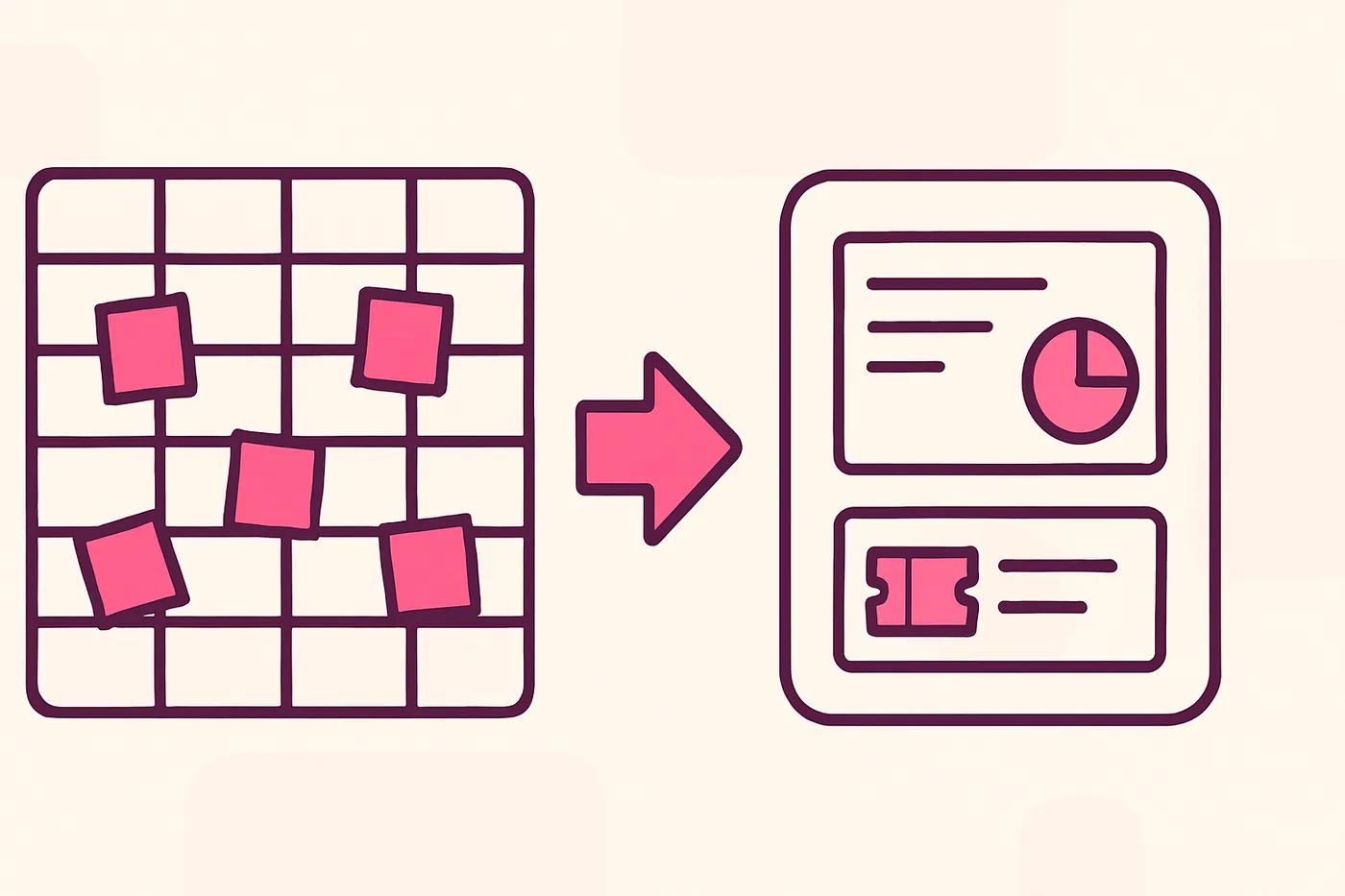
Everything in one dashboard instead of four tools
Registration, payment, confirmations, and check-in — connected automatically, so nothing needs manual reconciliation.
Create Your Event